HOW ADVANCED PRETREATMENT UNLOCKS VALUE FROM CHALLENGING WASTE FEEDSTOCKS
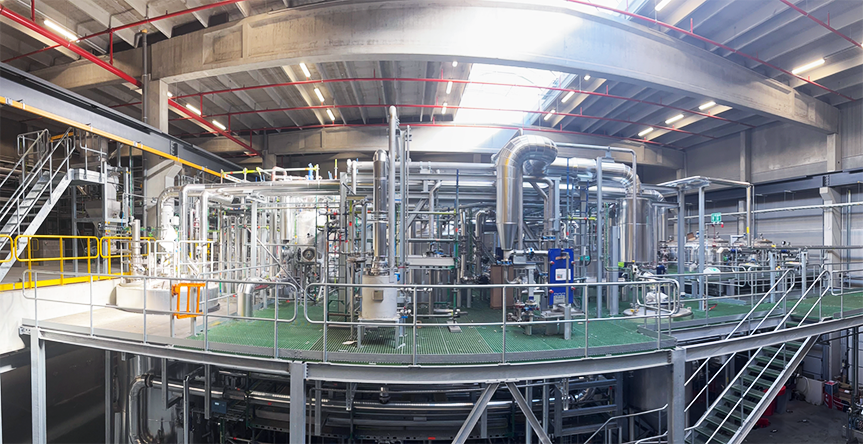

As demand for renewable diesel and Sustainable Aviation Fuel (SAF) continues to grow, the ability to process complex waste-based feedstocks into consistent, refinery-ready inputs is becoming a decisive factor in scaling sustainable fuel production. At North Sea Port in Ghent, Belgium, Ghent Renewables has commissioned an advanced feedstock pretreatment facility that addresses exactly this challenge.
The project was realized by BDI-BioEnergy International (BDI), a specialist in sustainable process technology. As part of the Rieckermann Group’s waste to energy portfolio, BDI’s proven Advanced PreTreatment technology demonstrates how Rieckermann’s wider network of technology partners supports customers in converting challenging waste streams into valuable resources for the renewable fuels value chain.
Renewable fuel producers increasingly need to work with diverse, low-quality and contaminated waste oils and fats. These feedstocks offer important sustainability benefits, but they can also contain impurities such as phosphorus, metals and other catalyst-deactivating substances that make downstream refining more complex.
For Ghent Renewables, the requirement was to establish an advanced feedstock pretreatment facility capable of transforming heterogeneous waste-based feedstocks into high-quality intermediates suitable for renewable diesel and SAF production. This meant achieving very low impurity levels to protect the highly sensitive catalysts used in hydroprocessing, while maintaining reliable industrial-scale operations.
Building on their process expertise and long-standing collaboration with Ghent Renewables, BDI developed and implemented a customized Advanced PreTreatment solution for the Ghent facility. The project progressed from feasibility studies, feedstock evaluation and laboratory testing through to engineering, detailed design, execution, and commissioning.
This collaborative approach was a key reason Ghent Renewables selected BDI for the project:
We chose BDI because of their proven expertise in Advanced PreTreatment technologies and their strong track record in delivering complex industrial-scale projects reliably and efficiently. What particularly convinced us was the combination of feedstock flexibility, deep process know-how, and the collaborative partnership approach throughout the entire project lifecycle. – Ghent Renewables
At the heart of the plant is BDI’s proprietary Advanced PreTreatment technology, engineered specifically for demanding waste-based feedstocks. This facility is designed with two dedicated processing lines, giving Ghent Renewables the flexibility to handle a broad spectrum of raw materials, from used cooking oil to other low-grade waste streams.
The technology removes critical contaminants such as phosphorus and metals, helping to deliver refinery-ready intermediate products for renewable diesel and SAF production. In doing so, it safeguards downstream catalysts, reduces fouling risks and improves overall process efficiency while maximizing the value of otherwise difficult-to-utilize waste resources.
Now fully operational, the Ghent advanced feedstock pretreatment facility reliably processes a wide range of heterogeneous waste feedstocks and consistently delivers high-purity intermediates suitable for further refining into renewable diesel and SAF. The successful commissioning demonstrates how complex pretreatment solutions can be implemented at industrial scale through close collaboration, precise engineering, and strong project execution.
For Ghent Renewables, the benefits include improved feedstock flexibility, stable downstream operations, reduced catalyst risks, and high product quality. Reported performance indicators include:
As demand for renewable diesel and Sustainable Aviation Fuel continues to accelerate, access to reliable and flexible feedstock processing will become increasingly important. Markets across Asia and the Middle East have abundant supplies of used cooking oil, animal fats, and other waste-derived feedstocks, but inconsistent feedstock quality remains a key challenge for producers.
The Ghent Renewables project demonstrates how Advanced PreTreatment technology can help bridge this gap by upgrading complex waste streams into refinery-ready feedstocks. Through BDI’s expertise and Rieckermann’s regional presence, customers can benefit from proven solutions that help unlock greater value from locally available resources and support the transition towards a more circular and sustainable fuels industry.
Looking for advanced pretreatment for renewable fuels?
Contact our local experts or submit your inquiry to explore proven waste-to-energy solutions and advanced feedstock pretreatment technologies tailored to your project requirements.
What is advanced feedstock pretreatment for renewable fuels?
Advanced pretreatment is the process of removing impurities from waste-based oils and fats so they can be used as refinery-ready feedstocks for renewable diesel and Sustainable Aviation Fuel (SAF). It helps reduce contaminants such as phosphorus and metals, which can affect downstream refining performance.
Why is feedstock pretreatment important for SAF production?
SAF production depends on consistent, high-quality feedstocks. Pretreatment helps upgrade low-grade or contaminated waste oils into cleaner intermediates, supporting stable refinery operations, protecting sensitive catalysts and improving the overall efficiency of SAF production.
What types of feedstocks can BDI’s Advanced PreTreatment technology process?
BDI’s Advanced PreTreatment technology is designed to handle a broad range of waste-based feedstocks, including used cooking oil and other low-grade waste streams. This flexibility enables producers to make better use of locally available waste resources for renewable fuel production.
How does pretreatment improve renewable diesel and SAF feedstock quality?
Pretreatment improves feedstock quality by reducing critical impurities before refining. In the Ghent Renewables project, the facility achieved phosphorus levels below 3 ppm, metal concentrations below 10 ppm and yields of up to 99%, helping produce high-purity intermediates for renewable diesel and SAF.


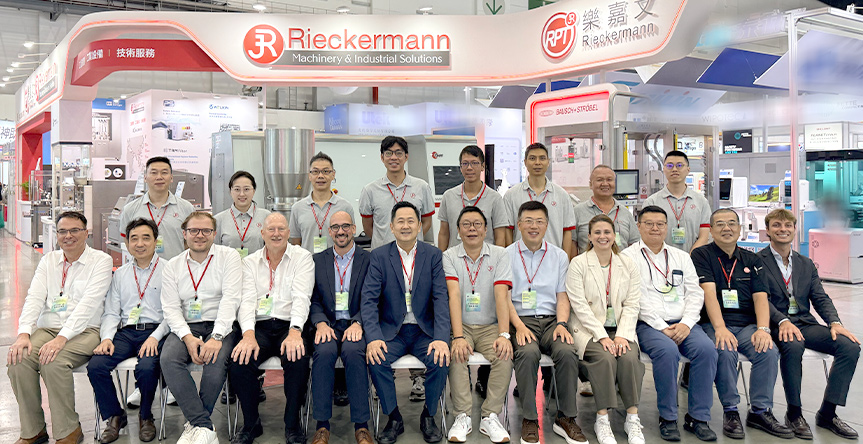 EXPANDED PHARMA SOLUTIONS AT BIO ASIA-TAIWAN 2026